Dr. Aniruddha Bhuiyan offers vascular & endovascular treatments for all the conditions below. Endovascular treatment works from inside the blood vessel, through a small puncture, instead of a large cut. Choose a condition to read about its symptoms, tests and treatment options.
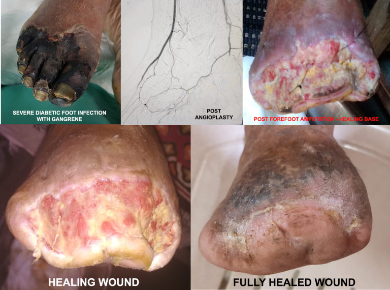
Peripheral Arterial Disease And Diabetic Foot
In India, doctors have often treated peripheral arterial disease with wound care and amputation. Many patients ended up with an artificial limb when timely repair of the blood vessels could have saved the leg.
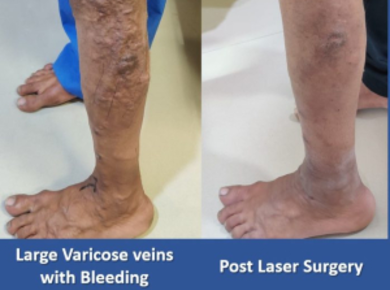
Varicose Veins
Varicose veins are swollen, twisted veins in the legs. They come from faulty valves in the veins and long hours of standing. They can cause pain, skin changes and even ulcers that do not heal. We offer a full assessment and minimally invasive treatment to ease the symptoms and help patients get back to normal life.
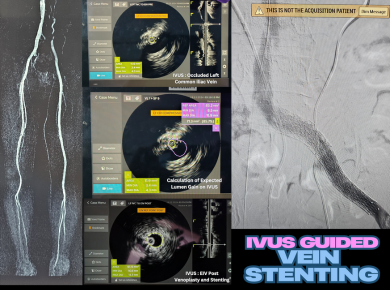
DVT and PE
Deep vein thrombosis (DVT) is a dangerous condition in which blood clots form in the deep veins of the legs, causing swelling and pain. If it is not treated, a clot can travel to the lungs and cause a pulmonary embolism, which can be fatal. Finding and treating it early prevents complications and saves lives.
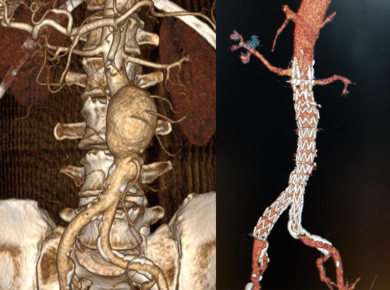
Aortic Aneurysms
An aortic aneurysm is a bulge in the body’s largest artery. It usually causes no symptoms, but it can be fatal if it bursts. In India many aneurysms go unnoticed because few people know about them. Today surgeons can treat them safely with minimally invasive procedures such as EVAR, and early detection saves lives.
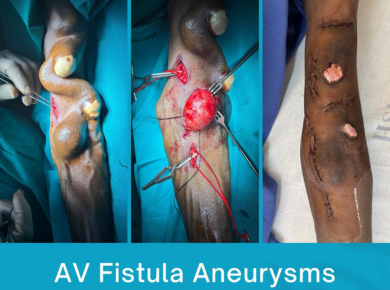
Dialysis Access AVF, AVG and Permacaths
For patients with kidney failure, dialysis access is a lifeline. An AV fistula made by a vascular surgeon is the most reliable and natural option for long-term hemodialysis. When a fistula is not possible, the surgeon can use an AV graft or a permacath instead. Our aim is safe dialysis access that lasts, for every patient.
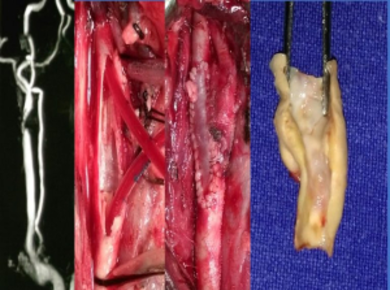
Carotid Artery Disease
In carotid artery disease, the arteries in the neck that carry blood to the brain become narrow. This can lead to a stroke or a transient ischemic attack (TIA). Finding it early with ultrasound or angiography, then treating it with surgery or stenting, can prevent brain damage and improve long-term results.
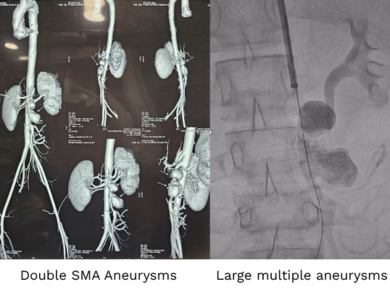
Mesenteric / GI Bleed
Bleeding from internal arteries, such as the mesenteric or gastrointestinal vessels, can be life-threatening and needs urgent treatment. Angiography or other advanced scans often confirm the diagnosis. Depending on where the bleeding is and how severe it is, treatment may be minimally invasive embolisation or open surgery to stop the bleeding and stabilise the patient.
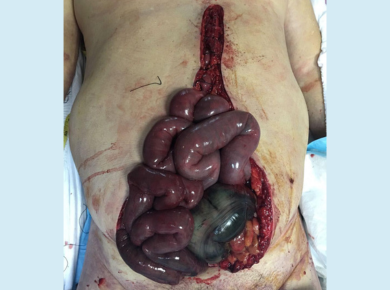
Mesenteric / Bowel Ischaemia
Mesenteric ischaemia happens when the blood supply to the intestines is reduced or blocked. Like the heart and brain, the intestines need a steady flow of blood to work properly. When that flow stops, it can cause pain and digestive problems and, if not treated in time, serious complications.
Vascular Malformation
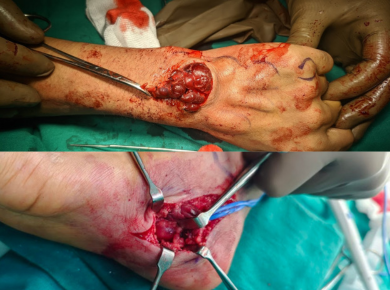
Vascular malformations are rare, abnormally formed blood or lymph vessels, sometimes with direct links between arteries and veins. They can stay silent for years, but they may grow and cause pain, bleeding or even life-threatening problems. Treatment depends on the type and includes embolisation, sclerotherapy or surgical removal. Seeing a vascular specialist early can prevent serious outcomes.
Thoracic Outlet And Cervical Rib
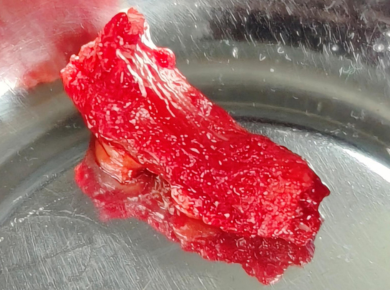
Thoracic outlet syndrome (TOS) happens when something squeezes the blood vessels or nerves in a narrow space at the base of the neck and top of the chest, called the thoracic outlet. This space lies between the collarbone and the first rib. When something here presses on the artery or vein, it causes arterial or venous TOS.
Lymphedema
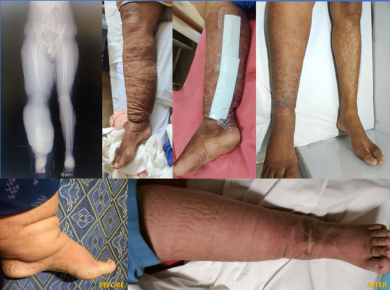
Lymphedema is swelling caused by fluid collecting in the limbs when lymph does not drain properly. It often follows surgery or cancer treatment. It can lead to swelling, skin damage, ulcers or infection. With the right care, including compression, surgery and wound care, patients can get back their quality of life.
Vascular Trauma
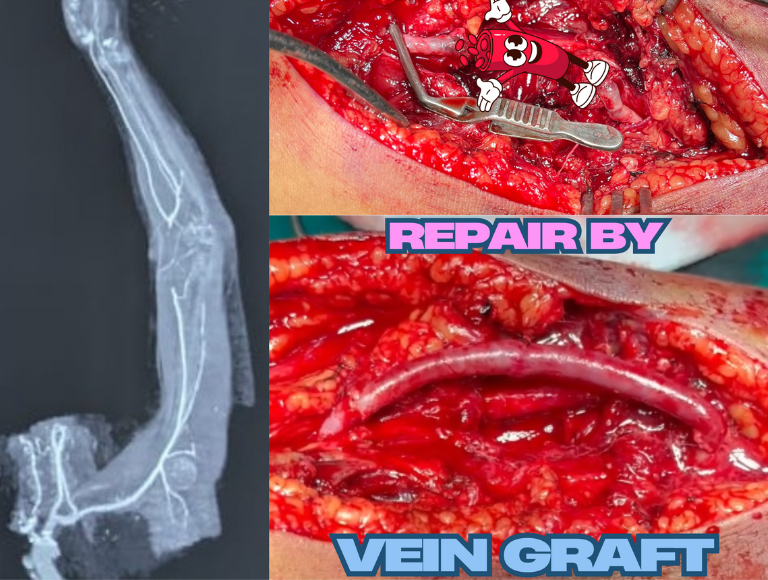
Vascular trauma can threaten life or limb and needs urgent care. An injured artery can cause heavy bleeding, cut off the blood supply and leave lasting damage to muscles and nerves. When doctors find the injury early and repair it surgically, they can often save both life and limb.
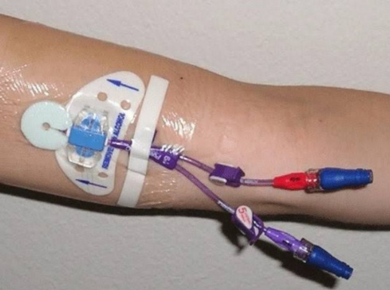
Vascular Access for Chemotherapy
Patients on chemotherapy often need safe, long-lasting access to the bloodstream. Devices such as chemoports, Hickman lines or PICC lines give a reliable entry point for treatment and blood tests. A vascular surgeon places them under sterile conditions so patients can have chemotherapy safely and comfortably.