Peripheral Arterial Disease And Diabetic Foot
In India, blocked leg arteries are often treated with wound care and amputation. Many of these patients end up with artificial limbs when timely vascular repair could have saved the leg.
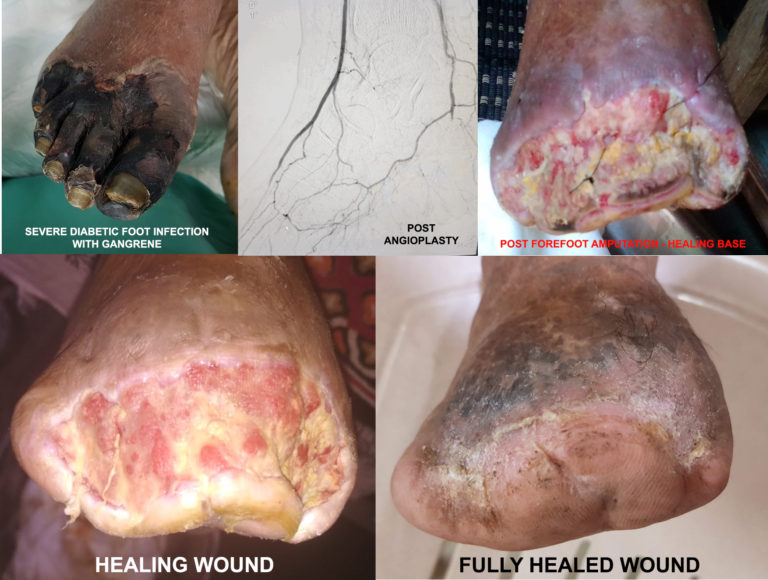
In India, blocked leg arteries are often treated with wound care and amputation. Many of these patients end up with artificial limbs when timely vascular repair could have saved the leg.
For decades in India, especially among poorer patients, doctors treated blocked leg arteries and diabetic foot infections with wound care and, in the end, amputation. Timely treatment could have prevented many of these amputations.
It has been painful to see so many people, many of them young and able to work, fitted with artificial limbs and living with permanent disability. Many of these patients could have walked again if someone had restored their blood flow in time. Vascular & endovascular surgery can change this.
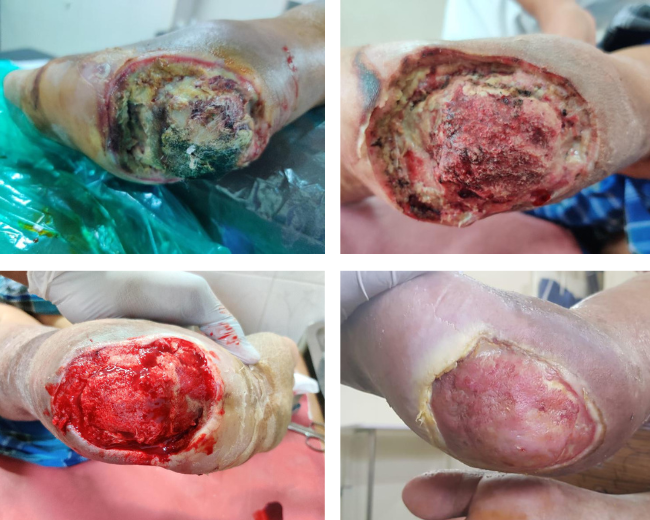
Did you know that most leg amputations in people with diabetes start with a foot ulcer? In one well-known study, an ulcer came before 84% of them.
These ulcers often start as a small wound that nobody pays attention to: a tiny cut, a blister from a tight shoe, or a minor injury that goes unfelt because of diabetic nerve damage (neuropathy). When blood flow is poor, a small wound can quickly turn into a serious infection and, in the end, an amputation.
Studies have shown that:
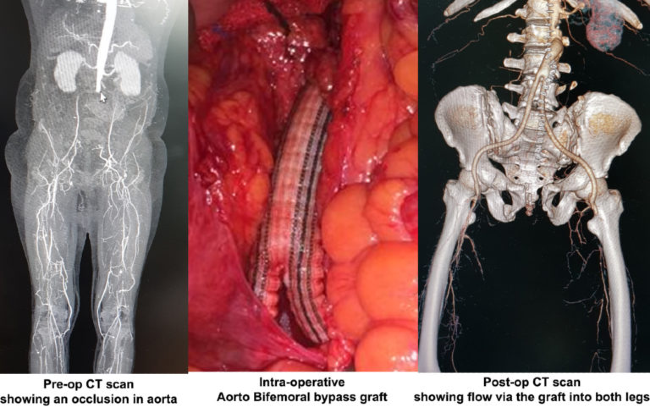
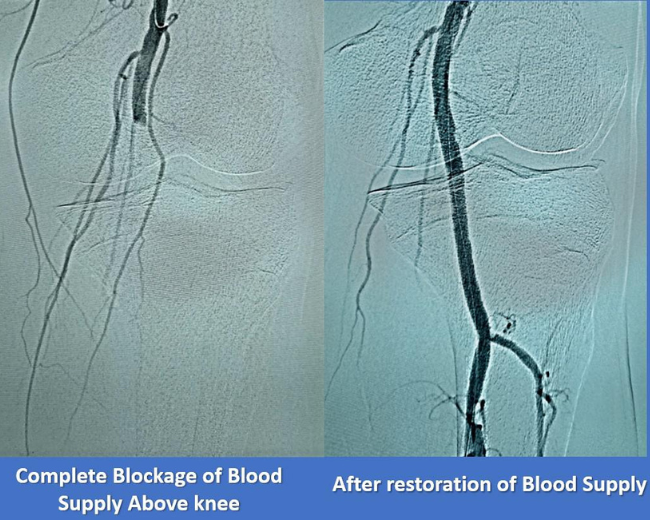
This is starting to change.
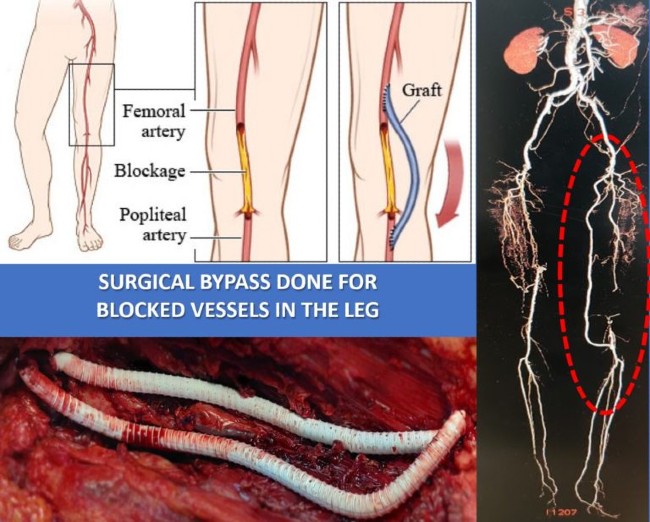
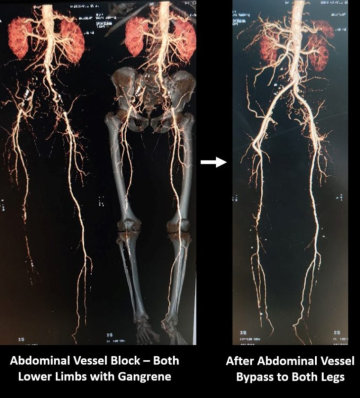
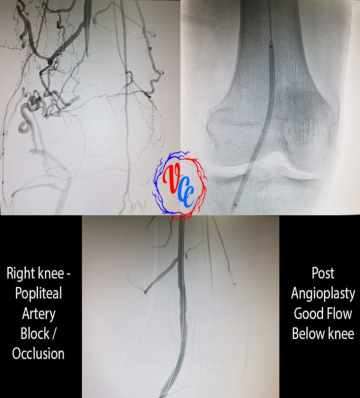
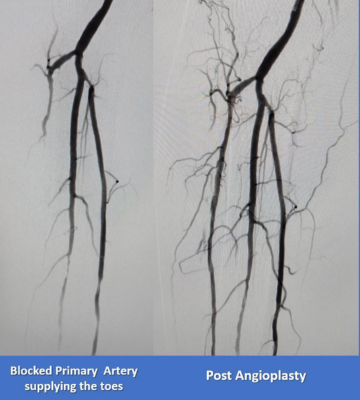
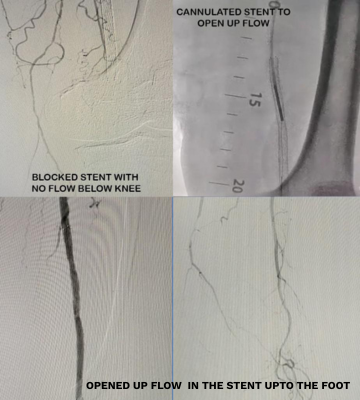
As vascular & endovascular surgery grows in India, surgeons can now save legs that patients once would have lost. Angioplasty, bypass surgery and other catheter treatments restore blood flow to legs starved of oxygen. Wounds can then heal, so fewer patients need an amputation.
India still has a heavy burden of diabetes, smoking-related disease and late referrals. Even so, timely treatment, careful choice of procedure and wound care that follows a set protocol can save many legs.
We started our clinic with one aim: to treat diabetic foot infections fully, following a set protocol.
A foot wound in a person with diabetes is never just a skin problem. Several things are usually at work together:
We treat each of these, step by step.
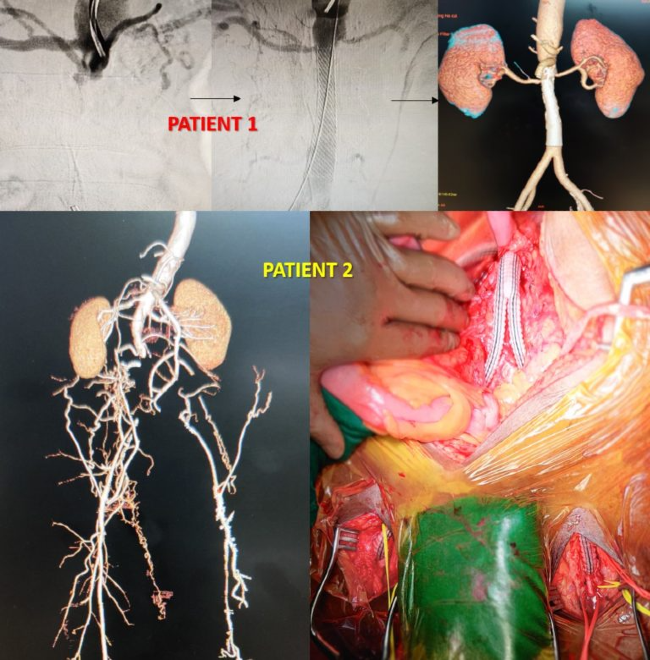
These are the main treatments we offer. Which ones you need depends on your condition:
Stem cell therapy for no-option limbs:
For patients with no surgical or angioplasty options left, this therapy uses stem cells to try to grow new blood vessels.
Don’t ignore tingling, numbness, pain while walking, or wounds on your feet that heal slowly. These are early signs of poor circulation.
Many amputations happen because treatment came too late. Seeing a vascular surgeon early can save the leg.
Evening consultations are at Vascular Care n Cure Clinic, Andheri East, Monday to Saturday, 5 to 7 pm. I also see patients in OPD at these hospitals; each page has the OPD day, timing and booking number:
If you have diabetes and a foot wound doesn’t heal within 7–10 days, or gets red, swollen, or smelly, seek urgent help. Early diagnosis is key.
Yes, angioplasty is often the first line of treatment in diabetic foot when the blood flow is compromised. Newer tools have made it safer and more effective.
If your foot wound is not healing, or if you experience pain in your legs while walking or even at rest, a vascular consultation is advised. Testing like ABI (Ankle-Brachial Index) or Duplex scan can help.
In many cases, YES. With timely revascularization and wound care, limb salvage is possible. However, the success rate depends on how early the treatment is started.
We offer modern treatment, honest advice and care planned around each patient. If you or someone in your family has peripheral vascular disease or a diabetic foot wound, do not wait. Book an appointment and we will work out the best plan together.
