Mesenteric / Bowel Ischaemia

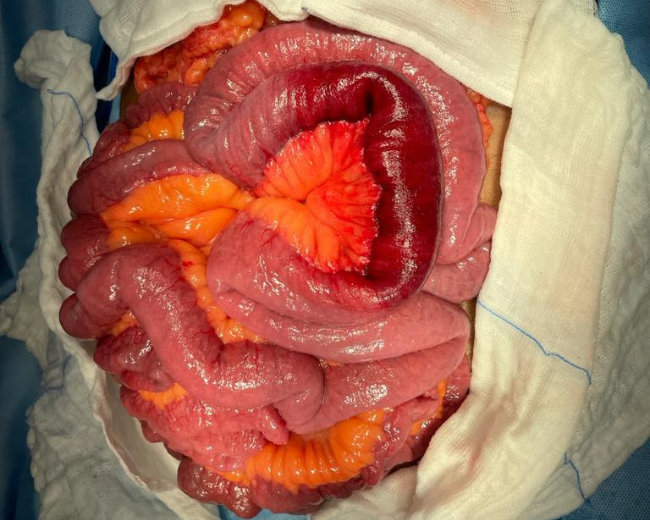
Mesenteric ischaemia means the blood supply to the intestines is reduced or blocked. Like the heart and brain, the intestines need a steady flow of blood. When that flow drops, it causes pain and digestive problems, and if it is not treated in time, serious complications.

Mesenteric ischaemia

There are two main types. Acute mesenteric ischaemia comes on suddenly. Chronic mesenteric ischaemia develops slowly and gets worse over time. Both affect the mesenteric arteries, which supply the small and large intestine.

Mesenteric Ischaemia

What is acute mesenteric ischaemia?

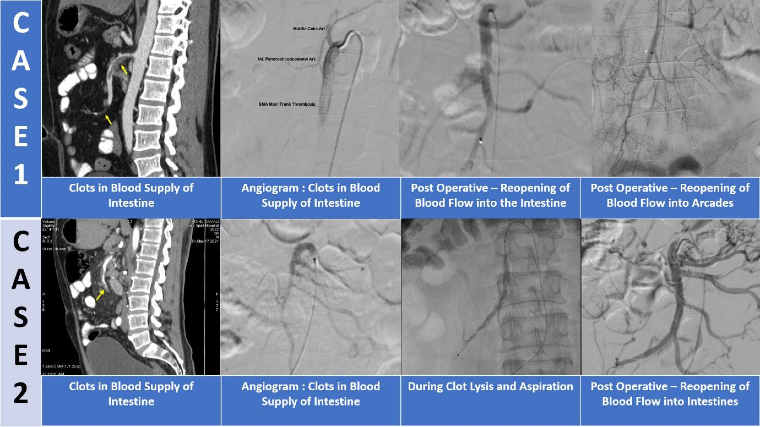
Acute mesenteric ischaemia is a medical emergency. It happens when an artery to the intestine is suddenly blocked. The cause may be a blood clot, a small piece of plaque that breaks off from another artery, or very low blood pressure in someone who is critically ill.

Common symptoms include:

  • Sudden, severe pain in the abdomen
  • Pain that feels out of proportion to how the belly looks
  • Nausea and vomiting
  • Diarrhea or an urgent need to pass stool
  • Sometimes blood in the stool

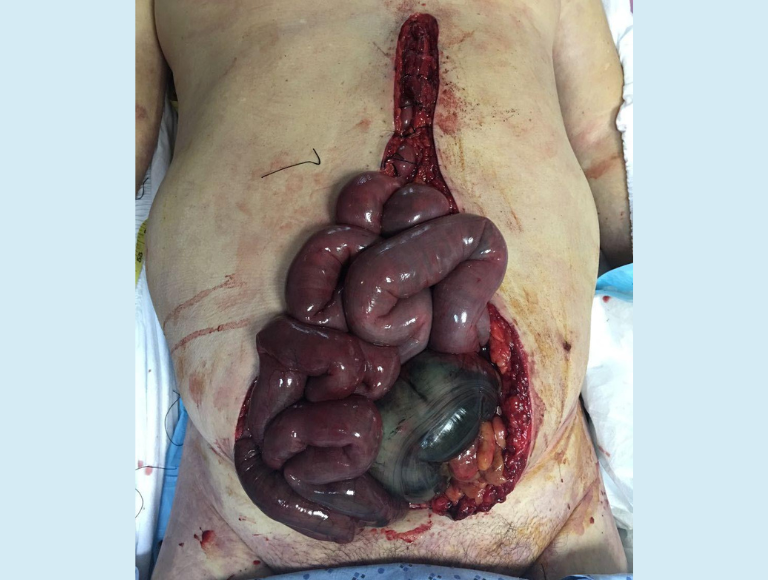
It can get worse very quickly. Without early treatment, parts of the intestine can die from lack of blood, and this can be life-threatening.

What is chronic mesenteric ischaemia?

Chronic mesenteric ischaemia comes on more slowly. The usual cause is narrowing of the mesenteric arteries from atherosclerosis (hardening of the arteries). It is more common in older adults, who may also have heart disease or diabetes, or a history of smoking.

Typical symptoms include:

  • Pain in the abdomen after eating (usually within 30 minutes)
  • Weight loss from fear of eating, because the pain makes patients skip meals
  • Bloating, nausea, or diarrhea after meals

Because the symptoms are vague at first, many patients are wrongly treated for acidity or irritable bowel syndrome. Over time, though, the weight loss and the worsening pain point to a problem with the blood vessels.

Mesenteric Ischaemia

How is mesenteric ischaemia diagnosed?

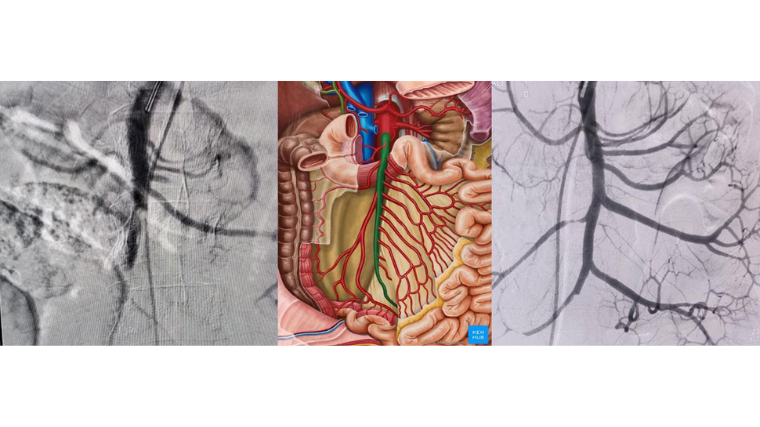
Your doctor may suspect it from your symptoms, especially if you are older or already have vascular disease. Scans such as CT angiography or Doppler ultrasound check the blood flow in the arteries. Blood tests and a physical examination also help.

Mesenteric Ischaemia

What are the treatment options?

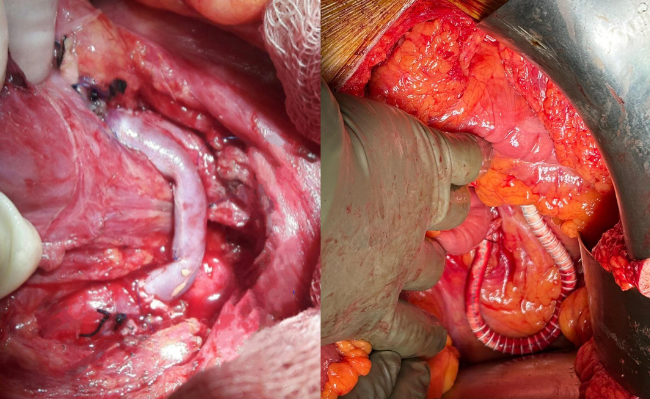
  • Acute mesenteric ischaemia usually needs urgent treatment. This may be a procedure done through a catheter (thrombolysis, angioplasty or stenting) or open surgery to remove the clot and restore blood flow. If the lack of blood has already damaged part of the intestine, the surgeon may need to remove that part.
  • Doctors treat chronic mesenteric ischaemia with angioplasty and stenting. A balloon opens the artery, and then a stent holds it open. In some cases the surgeon does a bypass around the narrowed arteries instead.

Lifestyle changes, blood thinners and medicines to control blood pressure, cholesterol and diabetes also matter, because they help prevent future problems. Bleeding from the same arteries is a different problem, covered on our mesenteric bleeding page.

Mesenteric / Bowel Ischaemia

Where I see patients in Mumbai

Evening consultations are at Vascular Care n Cure Clinic, Andheri East, Monday to Saturday, 5 to 7 pm. I also see patients in OPD at these hospitals; each page has the OPD day, timing and booking number:

Frequently asked questions

What are the symptoms of acute mesenteric ischaemia?

Sudden, severe abdominal pain that feels worse than the abdomen looks on examination, often with vomiting or diarrhoea. It is an emergency, because lack of blood can damage the bowel quickly.

Why does my stomach hurt after eating?

Pain within about 30 minutes of meals, with weight loss from avoiding food, can be a sign of chronic mesenteric ischaemia, where the gut arteries have narrowed. People often mistake it for acidity or irritable bowel syndrome.

How is it diagnosed?

CT angiography or Doppler ultrasound shows the blood flow in the arteries to the bowel.

How is it treated?

Acute blockage needs urgent treatment with clot-dissolving drugs, angioplasty and stenting, or open surgery. For chronic narrowing, the usual treatment is angioplasty and stenting, or sometimes a bypass.

A healthy bowel needs a healthy blood supply.

Early treatment protects the bowel

We offer modern treatment, honest advice and care planned around each patient. If you or someone in your family has mesenteric or bowel ischaemia, do not delay. Book an appointment and we will work out the best plan together.