Deep vein thrombosis (DVT) is a blood clot in the deep veins of the leg, causing swelling and pain. If it is not treated, part of the clot can travel to the lungs and cause a pulmonary embolism, which can be fatal. Early diagnosis and the right treatment prevent these complications.
Medically reviewed by Dr. Aniruddha Bhuiyan, MCh vascular surgeon. Updated October 2026.
Understanding deep vein thrombosis, superficial venous thrombosis and pulmonary embolism
Blood clots in the veins can be dangerous, especially a DVT, which forms deep inside the body and can go unnoticed. Some clots cause only mild symptoms. Others lead to permanent vein damage, ulcers that will not heal, or a life-threatening pulmonary embolism.
What is deep vein thrombosis (DVT)?
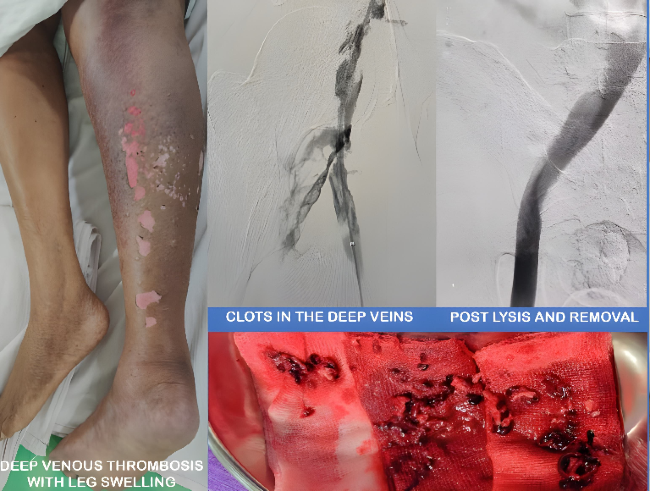
Deep vein thrombosis (DVT) is a blood clot in one of the deep veins of the body, most often in the legs or pelvis. These veins carry used blood back to the heart. When a clot blocks a deep vein, blood cannot flow back properly, and the limb becomes painful, swollen and heavy. The NHS also explains DVT symptoms and treatment in plain language.
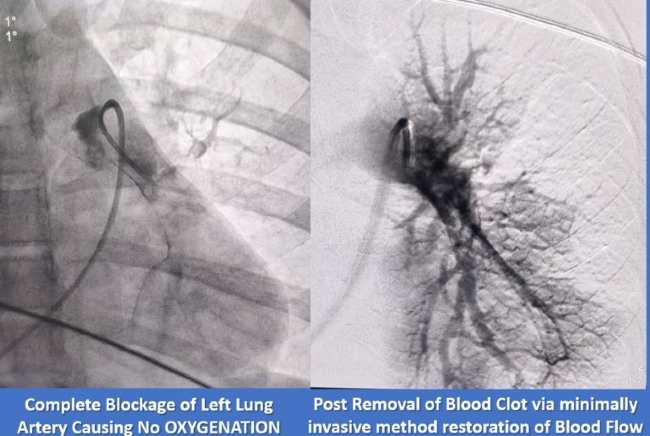
Without treatment, the clot can break free and travel through the bloodstream to the lungs. This is a pulmonary embolism, and it is a medical emergency.
What causes DVT?
DVT usually happens when three factors come together. Doctors call them Virchow’s triad:
Stasis (slow blood flow)
Endothelial injury (damage to the blood vessel lining)
Hypercoagulability (increased clotting tendency)
Common triggers include:
Risk factors for DVT
Age: the risk rises with age, especially over 60.
Smoking: affects how blood clots and damages vessel walls.
Genetics: inherited clotting disorders, such as Factor V Leiden or protein C or S deficiency.
Pregnancy: adds pressure on the pelvic veins and changes how the blood clots.
Hormones: oral contraceptives or hormone replacement therapy.
Obesity: extra weight raises pressure in the leg veins.
Long periods without moving: long flights, bed rest, recovery after surgery.
Cancer: some cancers make the blood clot more easily.
Idiopathic: sometimes doctors find no clear cause.
Symptoms of DVT
DVT can be silent. Common signs are:
Swelling in one leg (rarely both)
Pain or tenderness, especially in the calf or thigh
Warmth over the affected area
Red or discolored skin
Heaviness or fatigue in the limb
Other conditions can cause the same symptoms, so see a doctor promptly.
What is pulmonary embolism (PE)?
A pulmonary embolism happens when a piece of a DVT clot breaks off, travels to the lungs and blocks their blood supply.
It is a life-threatening emergency.
Symptoms of pulmonary embolism
Sudden shortness of breath
Sharp chest pain, especially while breathing in
Rapid heart rate
Coughing (sometimes with blood)
Feeling lightheaded or fainting
A large PE can cause sudden collapse or death without immediate treatment.
Superficial venous thrombosis (SVT)
DVT affects the deep veins. Superficial venous thrombosis (SVT) affects veins close to the skin, usually visible, tender varicose veins.
SVT causes pain, redness and swelling along a vein under the skin. It is less dangerous than DVT, but it can spread into the deep veins, especially where the two systems join, so do not ignore it.
Differences between SVT and DVT
Feature
SVT
DVT
Location
Just under the skin
Deep within the limb
Risk of PE
Low, but possible
High
Symptoms
Redness, cord-like vein
Swelling, deep pain
Treatment
Anti-inflammatory, sometimes anticoagulants
Anticoagulants, imaging, intervention
Complications of untreated DVT
Pulmonary embolism: can be fatal
Post-thrombotic syndrome (PTS): long-term leg swelling, skin changes and ulcers
Recurrent DVT
Chronic venous insufficiency: damaged valves let blood flow backwards, causing discoloration and ulcers that do not heal
Postphlebitic syndrome
A DVT can damage the valves in the veins. Blood then leaks backwards down the leg (venous reflux), which leads to:
Persistent leg swelling
Skin pigmentation around the ankle
Hardening of the skin (lipodermatosclerosis)
Ulcers that are hard to heal
Bleeding from varicose or incompetent veins
This is why a DVT needs early diagnosis and proper treatment.
Diagnosis of DVT and PE
Venous Doppler ultrasound: the first test for DVT
D-dimer blood test: raised levels suggest clotting, but the test is not specific
CT pulmonary angiogram: the gold standard for detecting PE
MRI/MRV: for clots in the pelvic veins or other hard-to-see areas
Venography: rarely used now, but still helpful in some cases
Treatment options for DVT and PE
Treatment depends on where the clot is, how large it is, how long it has been there and whether there are complications. The aims are to:
Stop the clot from growing
Lower the risk of PE
Protect the veins
Prevent another clot
1. Anticoagulation (blood thinners)
The first-line treatment
Stops new clots from forming and lets the body break down the existing clot
Includes heparin, low molecular weight heparin (LMWH) and direct oral anticoagulants (DOACs) such as apixaban and rivaroxaban
Duration: 3 to 6 months, or lifelong, depending on the cause
2. Thrombolysis
For large, fresh clots with a high risk of PE
The doctor delivers a clot-dissolving drug (such as alteplase) directly into the clot
Given through a catheter placed in the vein (catheter-directed thrombolysis)
3. Thrombectomy
The doctor removes the clot with special devices or suction
Used for large clots causing severe symptoms
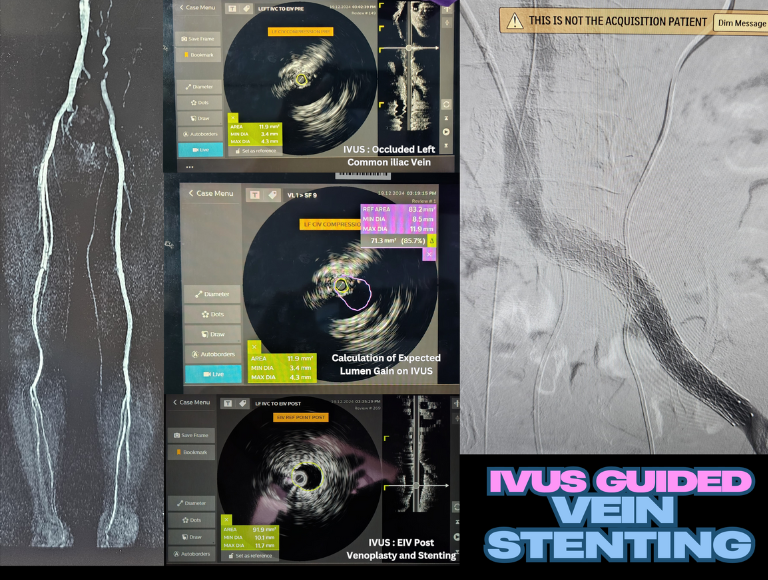
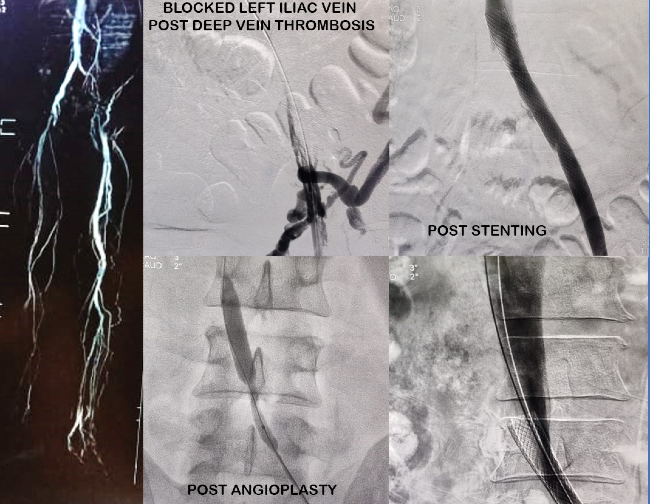
4. Angioplasty and stenting
Used when veins stay narrowed or blocked over the long term
Helps the vein drain properly in the long term
Especially useful for DVT in the pelvic veins (May-Thurner syndrome)
5. IVC filter placement
A filter placed in the inferior vena cava (IVC) stops clots from reaching the lungs
Used only in selected high-risk patients, or when blood thinners cannot be given
Treatment of superficial thrombophlebitis (SVT)
Anti-inflammatory painkillers (NSAIDs)
Compression stockings
Warm compresses
Blood thinners in some cases, especially if the clot is long or close to where it joins a deep vein
Preventing DVT
Lifestyle measures
In high-risk situations
Moving regularly during long flights or after surgery
Compression stockings for high-risk patients
Drinking enough water
Weight control
Avoiding long periods of bed rest or sitting
Preventive blood thinners during surgery, after injury or during a hospital stay
Physiotherapy to keep the blood moving
Getting up and moving early after childbirth or bone and joint surgery
When to see a vascular surgeon
See a vascular specialist if you:
Have leg pain or swelling without an injury
Have a history of DVT or PE
Have visible veins that are tender or red
Are planning major surgery and have clotting risk factors
Need an expert opinion on DVT complications, such as non-healing ulcers or long-term swelling
Treating DVT early prevents long-term complications.
Frequently asked questions
How do I know if my leg swelling is a DVT?
Swelling in one leg with pain, warmth or redness, especially after a long journey, surgery or bed rest, should be checked with a venous Doppler ultrasound. The scan is painless and shows whether there is a clot.
Is a DVT an emergency?
It needs prompt treatment, because part of the clot can travel to the lungs. Sudden breathlessness, chest pain or coughing up blood can mean a pulmonary embolism and need emergency care.
How long will I need blood thinners?
Usually 3 to 6 months. Some patients need longer or lifelong treatment, depending on what caused the clot and the risk of another.
Can a DVT cause problems later?
Yes. Damage to the vein valves can cause post-thrombotic syndrome, with lasting swelling, darkening of the skin and ulcers near the ankle. Early treatment lowers this risk.
What is the difference between DVT and PE?
A DVT is a blood clot in a deep vein, usually in the leg. A PE (pulmonary embolism) happens when part of that clot breaks off and travels to the lungs. A DVT causes leg swelling and pain; a PE causes sudden breathlessness, chest pain or coughing up blood, and is an emergency.
We aim to detect venous disease early.
Your veins deserve attention
Many people ignore leg pain or swelling until it becomes serious. DVT and PE can be prevented, and they can be treated well when caught early. We aim to find vein disease early, treat it properly and follow patients over the long term so it does not come back. If you are at risk or have symptoms, book a consultation today.