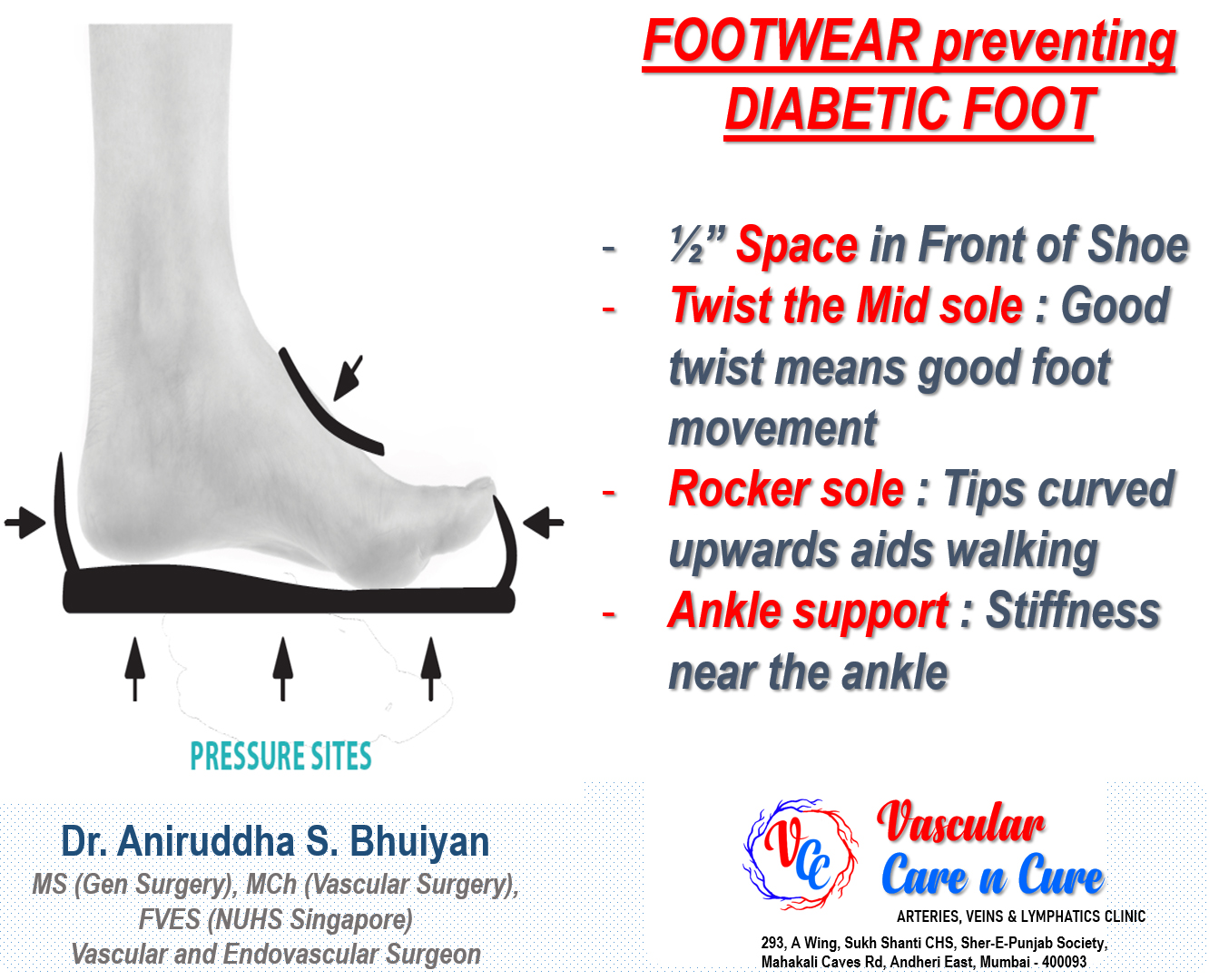
Diabetic footwear, also called diabetic shoes or DM shoes, is made to protect feet affected by diabetes. Many people with type 2 diabetes lose feeling in their feet because of nerve damage, and many also have poor blood flow. A small blister or a tight spot can go unnoticed and turn into an ulcer. The right shoe lowers the risk of these foot problems.
What makes a shoe a diabetic shoe? Look for:
- a wide, deep toe box, so the toes are not squeezed (pressure and rubbing here cause blisters and corns)
- a deep, cushioned heel that holds the foot in place and stops it sliding forward
- a firm midsole that spreads your weight across the whole foot
- a smooth inside with no seams, so nothing rubs the skin
- breathable material that keeps the foot cool and dry, since damp feet are prone to fungal infection
- straps or laces, so the fit can be adjusted as feet swell or change shape
Ordinary shoes rarely have all of these. If you have diabetes, especially with numbness, poor circulation or a past foot wound, ask your vascular surgeon to check your feet and advise you on the right pair.
Frequently asked questions
Who needs diabetic shoes?
People with diabetes who have numbness in the feet, poor circulation, a change in foot shape such as bunions or clawed toes, or a past foot ulcer or amputation.
